Originally a comment by Bjarte Foshaug on Hand it over or else.
I remember from history classes that during hard times in absolutist monarchies, it was common, for those petitioning for the redress of grievances, to blame harmful conditions and bad policies on a rotten apple or two among the king’s counsellors, rather than the king himself, as complaining about the former was, sometimes, somewhat less dangerous than the latter.
Same in Mao’s China where the disastrous effects of things like the “Great Leap Forward” were always blamed on unfaithful underlings who abused the chairman’s trust and good intentions for their own self-serving ends. The more people were made to suffer as a direct consequence of the chairman’s policies, the more that very same suffering would be blamed on a failure to realize those very same policies fully enough. On the same note, when several leading members of the People’s Temple defected, a few years before the infamous Jonestown massacre, most of them still couldn’t bring themselves to identify Jim Jones himself as the main source of the horrific abuses going on inside the cult, but blamed everything on the self-serving actions of unfaithful, mostly female, staff-members who were actually among the saddest victims of Jones’ reign of terror.
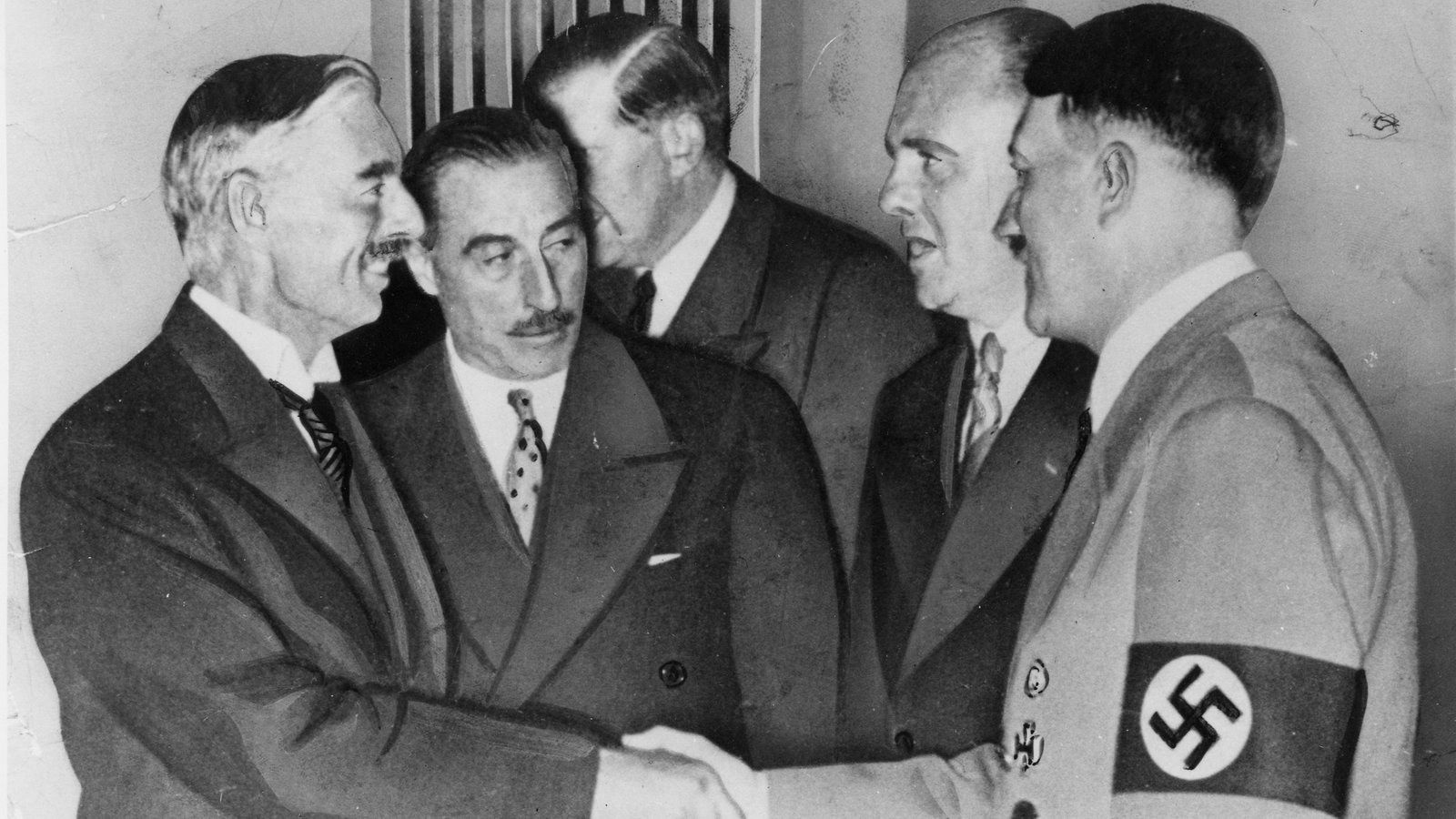
As we can read In Peter Pomerantsev’s biography of British propagandist Sefton Delmer, Joseph Goebbels’ main rival during WW2, there are some practical lessons to be learned from all this. Delmer dismissed the prevailing approach of trying to appeal to the better angels of the German people’s nature as preaching to the choir and a waste of time. Rather than seeing the Nazis as innocent victims brainwashed by propaganda, Delmer thought propaganda was effective because people actually enjoyed it and wanted it – because it gave them permission to be their worst selves as well as (you know what’s coming), an identity (ugh!), a community (double-ugh!) to belong to etc. Instead of appealing to any higher ideals, Delmer’s focus was on driving a wedge between the Nazi party (“Die Parteikommune”) and the individual (especially in the military). While “Der Führer” himself was already treated as a sacred figure and pretty much untouchable at this point, the local party officials, the SS, the Gestapo etc., could be attacked and portrayed as corrupt and decadent traitors engaging in a life of luxury and outrageous sexual depravity while the heroic soldiers were fighting and dying for the Fatherland on the front. To make the attacks appear to come from the inside the German army, Delmer created the character known as “Der Chef” (supposedly a disgruntled military officer; in reality a pre-internet “sock-puppet” and a “troll”) who was hosting one of Germany’s most popular radio stations (actually broadcast from London) at the time.
Interestingly, Delmer’s goal was not to make Germans outraged by the corruption but to encourage them to be corrupt themselves, neglect their duties, sabotage military equipment, feign illness to escape combat etc. People were supposed to think “If our leaders can be that corrupt and self-serving, why not me?”. Incidentally, Russian corruption has been exceptionally useful to the Ukrainians in the current war, diverting vast amounts of money and resources away from the War effort and into the pockets of unfaithful servants.
To bring it back to Trump, it has been suggested that Marjorie Taylor Green’s defection has been more devastating to the MAGA movement than anything Democrats could possibly have said or done, precisely because she was able to attack Trump in MAGA terms, as not being MAGA enough. Realistically though, hardcore MAGA-supporters are probably not going to start abandoning Trump in droves for any reason at this point. Like Hitler, he is already close to untouchable. But Trump is not going to live forever, and Vance, Miller, Hegseth, Bondi etc. may still be vulnerable. Sefton Delmer may have a thing or two teach us in this respect.